
Why Drainage Is Becoming the #1 Landscape Upgrade in 2026: What Homeowners Need to Know in Wayne County, MI

If you’re investing in serious backyard upgrades this year, you’re probably thinking about the fun stuff first: a gorgeous patio, a fire feature, statement lighting, maybe even the kind of landscape design that makes your home feel like a private resort. And honestly, you should. But before any of that becomes real, there’s one upgrade that’s quietly stealing the spotlight in 2026—and it’s not flashy, but it is powerful: drainage in Wayne County, MI, is an essential part of optimal lawn care.
Drainage is becoming the #1 landscape upgrade because Wayne County's weather has changed the rules. Heavier rain events, unpredictable storms, fast snowmelt, and freeze-thaw cycles are making water the ultimate deal-breaker for premium landscapes. When water is managed correctly, everything else performs better: your turf stays healthier, your patio stays level, your plant beds stay clean, and your outdoor living space stays inviting instead of damp, muddy, and unpredictable.
And here’s the truth: affluent homeowners are realizing faster than anyone that drainage isn’t a “fix.” It’s the foundation of a luxury landscape. The difference between a yard that looks great in photos and a yard that actually feels incredible year-round often comes down to what’s happening underground.
Let’s break down why drainage is having its main-character moment in 2026—and what you need to know if you want your landscape investment to stay flawless, functional, and fully enjoyable in Wayne County.
The 2026 Shift: Why Water Management Is Now a Status Upgrade
Drainage is trending for the same reason luxury kitchens and smart home systems trend: it’s about control. Comfort. Confidence. A feeling that everything about your home works the way it should.
In Wayne County, we’re seeing more intense rainstorms that dump a startling amount of water in a short time. In early April 2025, for example, parts of Metro Detroit received 2–3 inches of rain within 24 hours, leading to flooded roads, basement flooding, and water damage. That’s not “a wet day.” That’s a stress test your property either passes…or doesn’t.
Climate reporting has also pointed to increasing hourly rainfall intensity in the Detroit area over the last few decades, which raises the risk of flash flooding and overwhelmed drainage systems. Translation: you don’t just need drainage for normal rain anymore. You need drainage designed for modern storms.
That’s why premium landscape companies like Teddy’s Lawn & Landscape emphasize drainage as a critical part of a landscape transformation—and why they recommend addressing it early in the process, not as a reaction after damage has already happened.
If you’re designing a high-end outdoor space, drainage isn’t the boring part. It’s the part that makes everything else feel effortless.
Wayne County Conditions: Why Your Yard Behaves the Way It Does
Wayne County sits in a humid continental climate zone: hot summers, cold winters, and precipitation spread throughout the year, with average annual rainfall often falling in the 29–32 inch range. Add in snow and frequent freeze-thaw cycles, and you get a landscape that can shift, settle, and develop drainage problems over time.
But weather is only one piece of the puzzle. Many Wayne County properties also deal with:
Clay-heavy soils that hold water and drain slowly
Clay soil doesn’t let water filter down quickly. It holds onto moisture, which means standing water lingers longer and soggy areas become a recurring issue—especially in low spots.
Older grading and settling landscapes
In established neighborhoods, the yard you have today is not the yard that was originally graded decades ago. Soil compacts. Beds settle. Downspouts get adjusted. Small changes add up, and suddenly water flows toward the house instead of away from it.
Runoff from neighboring properties
Even in beautiful communities, lot grading can push water across property lines. If your neighbor’s yard drains toward yours, your landscape might be handling double the water load every time it rains.
Freeze-thaw movement
Soil expands and contracts. Patio bases can shift. Small dips appear. Water naturally finds those low points, pools, and then creates even more problems.
This is why drainage is now considered a “protect your entire property” upgrade—not just a lawn issue.
Why Does My Yard Hold Water?
If your yard holds water, it’s usually not because you’re unlucky. It’s because your property has one or more conditions that make drainage harder—and Wayne County has plenty of them.
1. Clay soil slows infiltration
Clay acts like a sponge that won’t let go. Water sits on top longer, and the ground stays saturated well after the storm ends.
2. Poor grading sends water to the wrong place
If the slope of your yard directs water toward a low point, your foundation, or your patio, it has nowhere to go. Gravity always wins.
3. Compacted soil blocks water movement
High-traffic areas, older lawns, and heavy construction can compress the soil so tightly that water can’t penetrate.
4. Downspouts are dumping too close to the home
A large portion of water in your yard comes from your roof. If downspouts release water near the foundation, it saturates the soil right where you least want it.
5. Drainage paths are blocked or outdated
Older yard drains and catch basins can clog, collapse, or lose effectiveness over time.
And here’s the part many homeowners miss: standing water is often only the symptom. The cause is the way water is moving across the property, and where it’s collecting when storms hit.
This is why professional drainage planning matters. Teddy’s Lawn & Landscape specifically notes that uncontrolled water runoff can lead to soggy lawns and even foundation damage—and that a proper drainage plan helps preserve landscape integrity and prevent erosion and flooding.
Healthy Lawn + Luxury Landscape: The Relationship No One Talks About Enough
A lush, healthy lawn is one of the most powerful luxury signals a home can have. It makes the entire property look intentional, crisp, and elevated.
But your lawn cannot stay healthy if it stays wet.
When soil stays saturated:
Roots lose oxygen and weaken
Turf becomes thin and vulnerable
Fungus thrives in damp conditions
Weeds take over stressed areas
Mud tracks onto patios and walkways
Your yard starts feeling messy instead of refined
Drainage is what creates the conditions for lawn health. When water drains properly, roots develop stronger, turf stays denser, and your landscape looks “estate-level” instead of “somewhat soggy.”
If you’re investing in backyard upgrades, you don’t want your lawn dragging down the entire look. Drainage is what keeps that from happening.
The New Drainage Trend: It’s No Longer Hidden Utility—It’s Part of the Design
In the past, drainage was treated like something you tucked away and forgot about. In 2026, it’s being designed into the landscape from the start.
And that’s a good thing—because modern drainage should be:
High-performing, but discreet
Fully integrated into the landscape architecture
Designed to protect patios, plantings, and structures
Built to handle heavier storms and seasonal changes
Planned early so it doesn’t disrupt future work
Teddy’s Lawn & Landscape highlights solutions like French drains, swales, grading adjustments, and other systems that keep water directed away from your home while helping the outdoor space stay functional year-round.
The difference is intentionality. This isn’t “we’ll add something later if it becomes a problem.” It’s “we’ll design a property that performs beautifully from day one.”
How Can I Fix Poor Drainage In My Yard?
The best drainage solutions aren’t one-size-fits-all. They’re tailored to your property’s soil, slope, and water patterns—and often involve a combination of systems working together.
Here are the most effective professional options homeowners are choosing in Wayne County in 2026:
Grading adjustments
The simplest solution is sometimes the most powerful. Adjusting the slope so water flows away from the foundation and away from low points can resolve chronic issues permanently. Grading is also essential for washout prevention—because water that moves too fast can strip soil and mulch right out of beds.
French drains (drain tile systems)
French drains collect water below the surface and redirect it away from problem areas. They’re especially effective for lawns that stay wet or areas near foundations that need relief. These systems are typically made using perforated pipe surrounded by landscape rock to allow water to enter and move efficiently.
Catch basins and yard drains
Catch basins collect surface water quickly during storms—especially in low areas—and route it into underground piping.
Downspout drainage and buried lines
If your downspouts currently dump water near the home, routing that water into an underground drainage line is one of the smartest upgrades you can make. It reduces saturation around the foundation and keeps lawns from being overwhelmed.
Swales and runoff pathways
Swales guide water across the landscape intentionally while still looking natural and high-end. They’re particularly useful when you need to manage water flow without extensive underground work.
Rain gardens and sustainable drainage
Rain gardens are becoming popular in high-end landscapes because they combine performance with beauty. They help absorb and filter runoff while adding texture and visual interest with thoughtful plant selections. Teddy’s Lawn & Landscape even highlights rain gardens as a smart option for managing stormwater.
When these systems are designed together—rather than pieced together—the result is a yard that feels dry, stable, and usable…even after heavy rain.
Related: Drainage Strategies for Optimal Landscape Health in West Bloomfield and Green Oak Township, MI
Washout Prevention: The Upgrade That Protects Your Investment
If you’ve ever watched mulch disappear after a storm, you already understand how frustrating a washout can be. But in luxury landscaping, washout prevention becomes even more important because the stakes are higher.
Washouts can ruin fresh planting beds, mulch, and topsoil, and prevent the establishment of new turf. Stone edging and borders, as well as the base stability of your patio and yard slops can also be compromised by excess water.
And it’s not just unsightly—it can compromise the long-term structure of your landscape.
Modern drainage design prevents washout by:
Slowing water flow
Directing runoff safely
Protecting slopes with proper grading
Capturing surface water before it gains speed
Reinforcing vulnerable areas with strategic materials
This is one of the reasons drainage is becoming the #1 upgrade. It’s not just about avoiding puddles—it’s about ensuring your landscape holds its shape, polish, and perfection through every storm.
Does Adding Gravel Improve Soil Drainage?
Gravel can help drainage—but only when it’s used correctly, in the right applications, and as part of an engineered system.
Gravel is commonly used in French drain systems as the surrounding media that allows water to enter the pipe. Our experts may also use gravel to improve drainage trenches and rock channels, catch basin systems, and for dry creek beds that move water visibly and beautifully. Additionally, gravel can stabilize areas prone to washout
The key is this: gravel alone doesn’t “fix” a wet lawn or a poorly draining yard. If you place gravel in a wet area without addressing grading, soil compaction, and water flow patterns, you may create a spot that drains slightly better but still functions like a low basin.
That’s why professional drainage design matters. Gravel is one of the most useful tools in the toolbox—but it’s most powerful when paired with:
Proper slope
Correct pipe type and placement
Filter fabric and separation layers
Accurate outlet placement
Local soil consideration (especially clay-heavy areas)
When done right, gravel-based drainage is high-performing, long-lasting, and practically invisible.
Can I Use Plants To Improve Landscape Drainage?
Absolutely—and in 2026, this is one of the most exciting trends in high-end landscape design.
Plants can play a meaningful role in drainage when they’re used strategically as part of a complete stormwater plan. Think of it as functional luxury: beauty with a purpose.
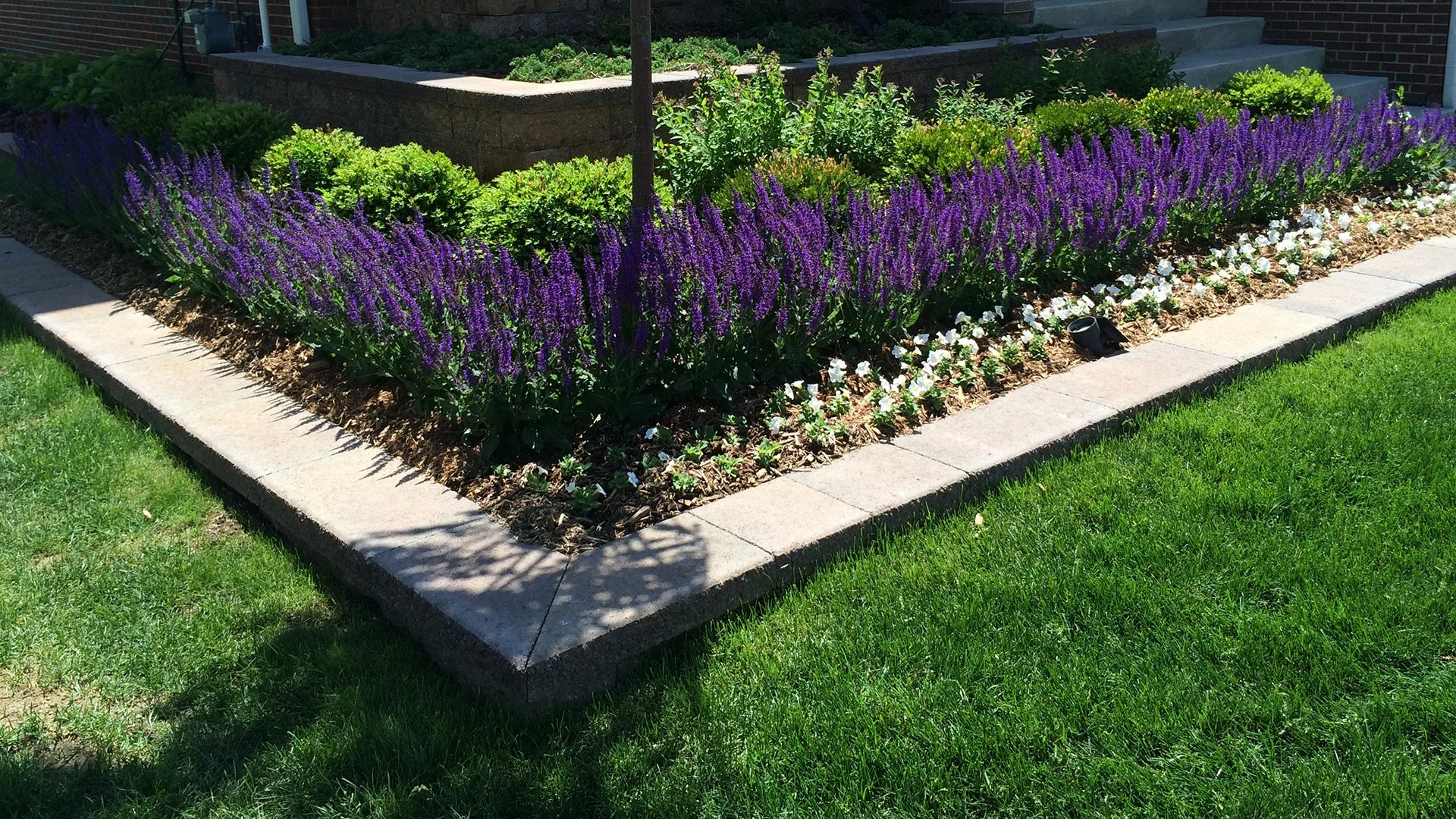
Plants support drainage by absorbing water through root systems and improving soil structure over time. Plantings can also reduce runoff by slowing water movement and stabilizing slopes to prevent erosion while supporting rain gardens and natural filtration.
In Wayne County, plant-driven drainage enhancements often include:
Rain gardens with deep-rooted perennials and ornamental grasses
Bioswale plantings that slow and filter runoff
Strategic tree and shrub placement that reduces saturation in targeted areas
Native-adapted plantings that tolerate wet-dry cycles
A properly designed rain garden, for example, can handle large runoff volumes while looking like a curated garden feature—rich with seasonal color, texture, and movement.
This is where premium landscaping shines. It’s not just drainage infrastructure. It’s a design that looks intentional, artistic, and elevated—while quietly doing the hard work of managing water.
How Often Should Backyard Drains Be Cleaned?
Once a drainage system is installed, it should be maintained—because even the best design can’t perform if it’s clogged.
Most affluent homeowners prefer a simple rule: schedule routine maintenance so you never have to think about it again.
In general, backyard drains and catch basins should be checked:
At least twice a year (spring and fall)
After major storms
When you notice slow drainage or pooling
If nearby trees drop heavy leaf debris
Cleaning typically includes removing debris from grates, clearing sediment buildup in catch basins, checking outlets for blockages, and verifying that water is moving efficiently through the system
Spring is especially important because snowmelt and winter debris can create buildup. Fall is equally important because leaves are relentless in Wayne County—and they will find a way into everything.
If your system includes French drains and underground piping, professional inspections help confirm performance without guesswork.
The key is consistency. Drainage is designed to protect your landscape investment. Simple maintenance ensures it keeps doing that for decades.
The New Standard: Drainage First, Then Everything Else Gets Better
If you’re planning backyard upgrades in Wayne County this year, you’ll hear this trend again and again from premium landscape professionals:
Start with drainage. Everything else gets better. Because when drainage is addressed first, your:
landscape design becomes more resilient
plant selections perform better
turf stays healthier
patio base stays stable
investment is protected
property looks polished year-round
outdoor space becomes truly usable after rain
And the best part? A well-designed drainage plan doesn’t look like a fix. It looks like excellence. It looks like a landscape built for modern storms and real-life living.
If you want to explore drainage solutions designed specifically for Wayne County properties—and integrate them into a larger high-end landscape vision— our team at Teddy’s Lawn & Landscape offers professional drainage services that prioritize long-term performance, refined installation, and a landscape experience that feels as exceptional as it looks.
Related: Solving Drainage Challenges in Green Oak Township and West Bloomfield, MI With Expert Solutions