
Is It Too Late To Install An Irrigation System This Summer?
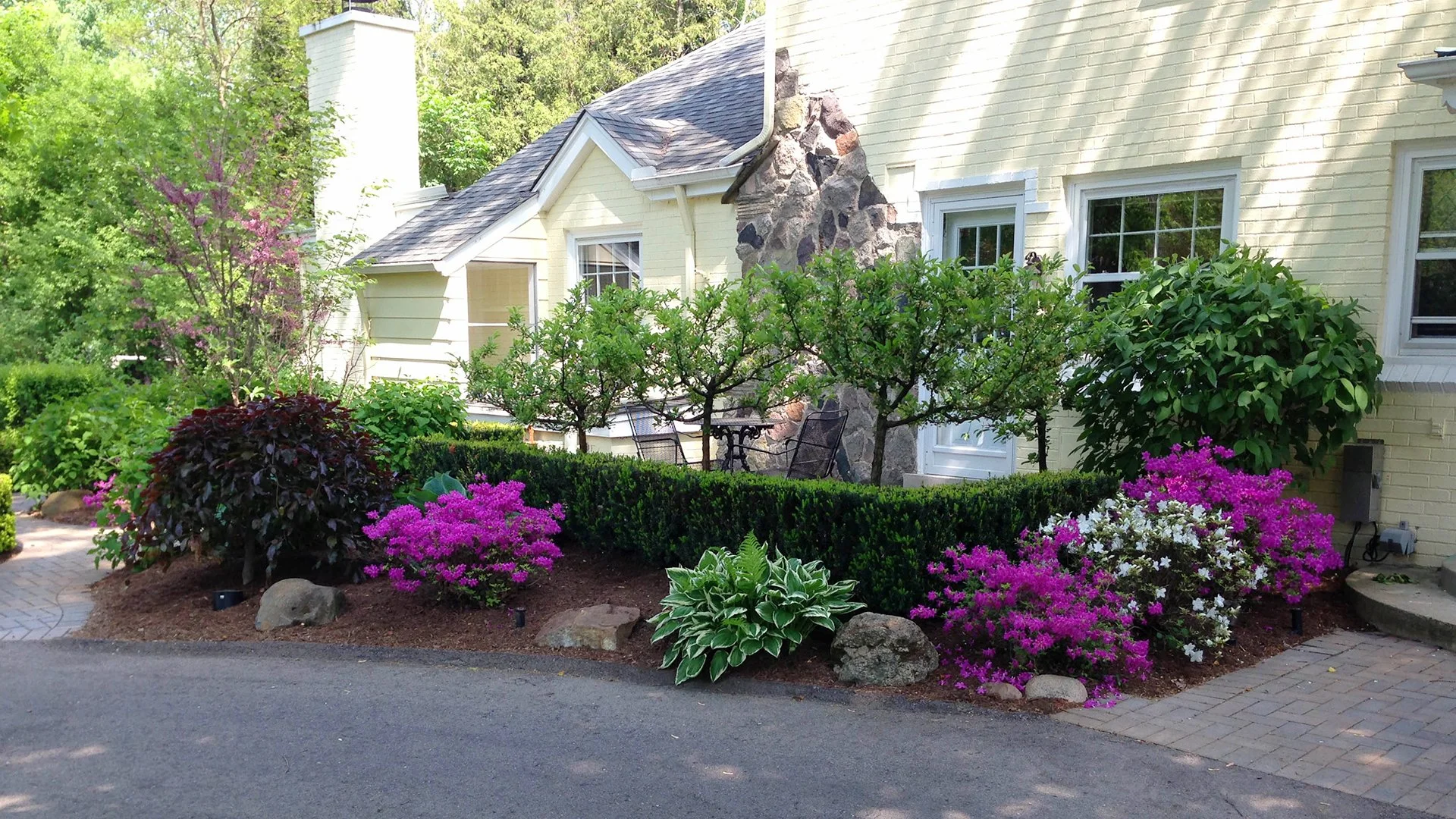
Here is the scenario that plays out across Southeast Michigan every summer. A homeowner watches their lawn turn brown in July. They drag a hose around the yard on weekends, move a sprinkler from zone to zone, forget to turn it off, and end up with a soaked patio and a dry planting bed.
By mid-August, they are done with the whole routine and start wondering whether irrigation system installation is something they should have done in the spring. Then comes the thought that stops them in their tracks: is it too late to do it now? The answer, for most Michigan summers, is no.
Teddy's Lawn and Landscape installs custom irrigation systems across Livonia, Plymouth, Canton, Northville, Novi, and the surrounding Detroit metro area throughout the growing season, and the homeowners who get a system in the ground mid-summer still recover the second half of their season and set themselves up completely for the following year.
Here’s everything you need to know about timing, what the installation process involves, and why the window is wider than most people assume.
Related: 5 Tips for Choosing the Best Irrigation System for Your Ann Arbor, MI Property
Why Do Homeowners Wait to Install Irrigation
The spring rush is real. Every year, as Southeast Michigan thaws out and the growing season begins, homeowners who planned to have an irrigation system installed find themselves at the back of a busy schedule. Spring is the most popular window for professional irrigation installation, and the demand from April through June routinely fills installation calendars fast.
The Cost of Waiting Through the Season
What happens when homeowners miss the spring window and decide to wait until next year? The lawn and planting beds go through the most stressful stretch of the Michigan growing season without consistent, calibrated water.
Southeast Michigan summers regularly deliver extended stretches without meaningful rainfall from late June through August, and the combination of heat, humidity, and drought stress during this window is precisely when turf and plant material needs reliable irrigation most.
A lawn that goes without consistent water during a Michigan July and August does not simply pause and wait. It thins out. Turf density declines. Weed pressure increases in the bare spots. Established planting beds lose material that took multiple growing seasons to develop. The recovery from a single summer of inadequate irrigation takes more than one good season to complete.
The homeowner who installs in July preserves the second half of the season. The homeowner who waits until next spring loses the entire current year and carries whatever damage was done into the following season.
What Michigan's Summer Actually Looks Like for Irrigation
Southeast Michigan's climate creates specific irrigation demands that homeowners who have managed without a system often underestimate until they experience a dry summer firsthand.
Rainfall Patterns in the Detroit Metro Area
Michigan is not a dry state, but its summer rainfall distribution is uneven enough to create genuine irrigation demand across most growing seasons.
The Detroit metro area receives an average of around 32 inches of precipitation annually, but that total is heavily weighted toward spring and fall. July and August, the peak stress months for turfgrass and landscape plantings, frequently deliver below-average rainfall, with multi-week dry stretches that push soil moisture below what established plants maintain without supplemental irrigation.
The issue is not just total rainfall but timing and distribution. A single heavy rainstorm that drops two inches in an hour does not hydrate a planting bed the way a half-inch of slow, steady rain does. Much of that heavy rainfall runs off rather than infiltrating the soil profile, leaving the root zone just as dry as before.
A custom irrigation system delivers water at rates calibrated to the soil's infiltration capacity, producing genuine root zone hydration rather than the runoff event that follows a sudden downpour.
Clay Soils and Watering Challenges
Much of Southeast Michigan sits on clay-heavy soils that create a specific irrigation challenge. Clay absorbs water slowly and holds it well once saturated, but it also compacts easily, which reduces infiltration rates over time.
Watering clay soils too quickly overwhelms the infiltration rate and produces runoff. Watering too infrequently allows the soil to dry out and crack, which creates preferential flow paths for future water that bypass the root zone entirely.
Our irrigation specialists calibrate zone run times and precipitation rates specifically for the soil conditions on each property.
In Livonia, Canton, Northville, and the surrounding communities where clay soils are common, that calibration is the difference between an irrigation system that actually keeps the landscape hydrated and one that creates runoff without achieving meaningful soil moisture at depth.
Can You Really Install Irrigation Mid-Summer?
The ground in Southeast Michigan is workable from spring through fall, and irrigation installation does not require specific temperature conditions beyond avoiding frozen ground.
The practical installation window in this region runs from roughly April through October, with the sweet spot being any period when the ground is not saturated from recent rainfall and the frost line has not advanced into the top soil layers.
What Mid-Summer Installation Actually Involves
A professional irrigation installation involves trenching at a depth that places supply lines below the frost line for winterization purposes, installing zone control valves, running lateral lines to each head location, setting and adjusting heads, connecting to the water supply, programming the controller, and testing the complete system.
In most residential applications across the Detroit metro area, a complete installation takes one to two days depending on property size and system complexity. The disruption to the lawn during installation is real and temporary.
Trenching leaves narrow channels across turf areas that close and recover within a few weeks during active growing season. Mid-summer installation actually benefits from the active growth period, as turf recovery over the disturbed trenching areas is faster during summer's peak growing conditions than it would be during a cooler shoulder season.
Related: Protect an Ann Arbor, MI Commercial Space with Snow Removal and Irrigation Services
What Does a Custom Irrigation System Actually Cover?
Not all irrigation systems are the same, and the difference between a properly designed custom irrigation system and a standard zone-and-head installation shows up in how well the system actually performs across the full property.
Zone Design Based on Your Specific Landscape
Our irrigation designers map each property before specifying a system. Turf areas, planting beds, trees, shrubs, and annual garden areas all have different water requirements, and a system that applies the same precipitation rate across all of them either over-waters some areas or under-waters others.
A properly designed system separates these areas into distinct zones, each with appropriate head types, spacing, and run times calibrated to what that zone actually needs.
In residential properties across Southeast Michigan, a typical system covers four to eight zones depending on property size and landscape complexity. Larger properties with established planting beds, vegetable gardens, and multiple turf areas often require more zones to address the full range of water requirements across the landscape design.
Drip Irrigation for Planting Beds and Garden Areas
Rotary and spray heads deliver water across open areas effectively, but planting beds, shrub borders, and garden areas benefit from drip irrigation that delivers water directly to the root zone of individual plants without wetting the soil surface between them.
Surface moisture in planting beds encourages weed germination and can promote foliar disease on plants susceptible to wet conditions. Drip irrigation eliminates that surface moisture while delivering more efficient root zone hydration.
Our garden care programs recommend drip irrigation as the standard approach for planting beds on any property where water efficiency and plant health are priorities.
The combination of turf zones with rotary or spray heads and planting bed zones with drip emitters produces a system that addresses the full range of landscape water requirements efficiently.
Smart Controllers: Irrigation That Adjusts to Michigan Weather
A professionally installed irrigation system in 2024 is not a simple timer that runs on a fixed schedule regardless of what is actually happening with the weather. Smart irrigation controllers integrate with local weather data and adjust zone run times automatically based on evapotranspiration rates, recent rainfall, and forecast conditions.
In Southeast Michigan's variable summer weather, this intelligence matters considerably. A week of overcast, cooler weather with afternoon showers requires far less supplemental irrigation than a week of 90-degree temperatures with no rainfall. A smart controller adjusts automatically, running zones when the landscape needs water and skipping scheduled runs when recent rainfall has already delivered adequate moisture.
Teddy's irrigation specialists program every smart controller installation to the specific property's zones, plant material, and soil conditions, then walk homeowners through the system operation so they understand how to read the controller's status and make manual adjustments when needed.

The Michigan Irrigation Season and Winterization
Understanding when the irrigation season ends in Southeast Michigan is part of understanding when mid-summer installation makes sense. The usable irrigation season in this region runs from spring startup, typically late April to early May depending on the year, through fall winterization in October.
Fall Winterization: Non-Negotiable in Michigan
Michigan's freeze-thaw cycle makes proper irrigation winterization one of the most important service events of the year.
Water remaining in irrigation lines, valves, and heads freezes and expands when temperatures drop below freezing, cracking pipes, splitting fittings, and damaging valve bodies that require expensive replacement in the spring. Compressed air blowout winterization, which forces all remaining water out of the system before ground freeze, protects every component from freeze damage and extends the service life of the installation significantly.
Teddy's irrigation team begins winterization in Livonia and surrounding areas at the start of October, completing the process across the service area by mid-November before consistent freezing temperatures arrive.
Every irrigation system Teddy's installs receives a winterization service in the fall of the installation year, ensuring the new system enters its first winter correctly prepared.
How Many Seasons Does a Mid-Summer Installation Recover?
A system installed in July recovers the remaining two to three months of the current growing season. That recovery covers the driest, most stressful stretch of the Michigan summer and protects the landscape design investment through the end of the season.
More importantly, the system is fully operational for the entire following season from spring startup through fall, which represents a full year of protection for the landscape.Homeowners who install mid-summer consistently report that the decision to proceed rather than wait until next spring was the right one.
The landscape they spent the first half of the season watching struggle stabilizes in the weeks following installation, and the following spring reveals the difference between turf and planting beds that were properly watered through the second half of the previous season versus those that were not.
What Teddy's Brings to Every Irrigation Project
Teddy's Lawn and Landscape has been installing and servicing irrigation systems across Southeast Michigan since the late 1990s. Our irrigation technicians are trained and certified in the design and installation of residential and commercial systems, and the brands we specify, including Rain Bird, Hunter, Toro, and K-Rain, are selected for their performance in Michigan's specific climate conditions rather than for cost alone.
One Team for Installation, Service, and Winterization
One of the most practical advantages of working with Teddy's for professional irrigation installation is continuity. The team that designs and installs the system is the same team that performs the spring startup, responds to mid-season service calls, and completes the fall winterization.
There is no handoff between the installation contractor and a separate service company. Our technicians know the system because they built it, which means service visits are faster, diagnoses are more accurate, and repairs are completed correctly the first time.
Integration With Landscape Design and Lawn Care Programs
Teddy's irrigation services integrate with our broader landscape design and lawn care programs across the properties we serve in Livonia, Plymouth, Canton, Northville, Novi, Farmington Hills, and the surrounding Detroit metro communities.
Homeowners who work with our team for lawn maintenance, fertilization, and landscape care benefit from the coordination between irrigation scheduling and lawn care timing that our team manages across all service areas.
A lawn fertilization program, for example, performs better when paired with irrigation that activates the fertilizer and delivers it to the root zone consistently. A landscape design installation that includes new planting material establishes significantly faster when a custom irrigation system delivers calibrated water to the new plants through their first critical growing season.
These connections between services are not incidental. They are the reason our clients consistently achieve results that exceed what they managed with individual services provided by separate vendors.
It’s Not Too Late and the Window Is Still Open
If you’ve been watching your Southeast Michigan lawn and landscape struggle through the summer and wondering whether it is too late to do something about it this season, the answer is no.
The installation window is open, the ground is workable, and the second half of the growing season is worth protecting. Contact Teddy's Lawn and Landscape to schedule your irrigation system installation consultation.
Related: Is a Drip Irrigation System Right for Your Milford and Plymouth, MI Backyard?